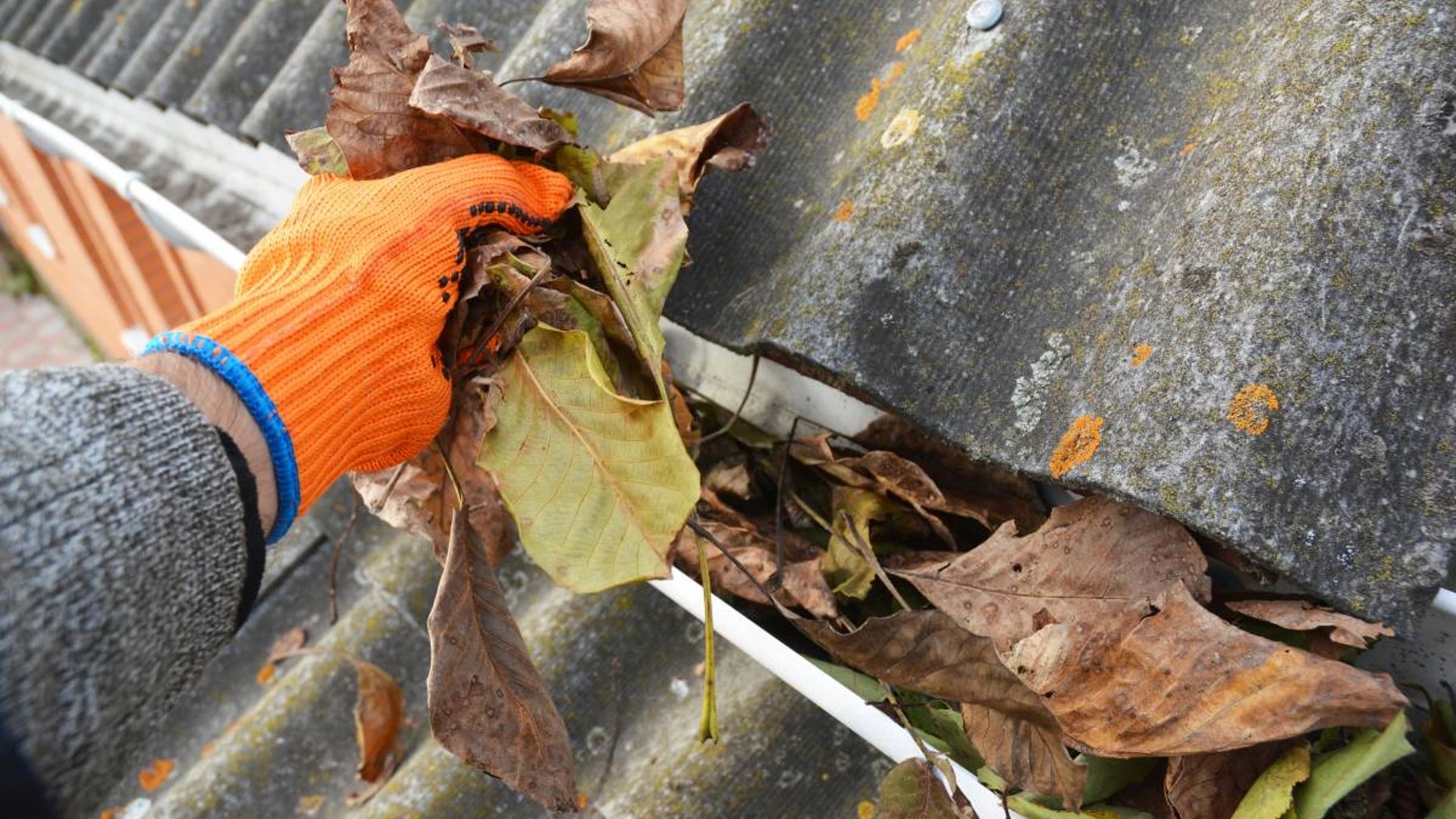
Summary: Your roof shape can affect how your gutters get dirty. Steep roofs can move debris faster, and roof valleys can become debris highways. Complex roof designs can create more trouble spots.
——————————————————————-
Have you ever wondered why your neighbour’s gutters look relatively clean while yours seem to collect leaves, dirt, and debris constantly? The answer may be your roof shape. Yes, you read it right. Different roof designs change how rainwater, leaves, twigs, and other debris move across your roof and into the gutter system. When you understand your roof design and how it affects gutter dirt, you can consult experts for gutter cleaning in Burwood at the right time.
Insights from Cleaning Experts on How Your Roof Shape Affects Gutter Dirt
Steep Roofs Can Move Debris Faster
A steep roof allows rainwater to travel quickly toward the gutters. However, faster-moving water can also carry leaves, small twigs, grit, and roof debris. As a reputable gutter cleaning company, we recommend inspecting your gutters from the ground. Does water appear to rush into one particular section? If debris constantly collects at the same spot, that section may need more frequent cleaning.
Roof Valleys Can Become Debris Highways
Roof valleys are the areas where two roof slopes meet. They naturally collect rainwater and anything travelling down the roof. Leaves can accumulate there before being washed toward the gutters. If a valley leads directly to a gutter outlet, you may notice that section becoming clogged faster than the rest. If your property has large trees nearby, pay extra attention to gutters beneath roof valleys during your regular inspections.
Complex Roof Designs Create More Gutter Trouble Spots
A simple roof may have a relatively straightforward gutter layout. However, homes with multiple roof sections, extensions, dormers, or intersecting slopes can have several gutter junctions and downspouts. These connection points can become natural collection areas for debris. If certain sections of your gutters get dirty faster than others, you may need a residential gutter cleaning service more often.
Low-Slope Roofs Can Hold More Debris
Low-slope roofs generally move water and debris differently from steep roofs. Leaves, dirt, and other material may remain on the roof for longer before rain carries them toward the gutters. Over time, this mixture can become wet, compacted, and difficult to remove. Regular gutter inspections can help identify whether your roof is sending an unusual amount of debris into the drainage system.
Your roof shape not only determines how your home looks but can also influence how quickly your gutters become blocked. When you understand the relationship between your roof and gutter system, you can plan cleaning around the areas that actually collect the most debris. For more in-depth information, reach out today.
Popular Posts
There are no popular posts to display.
Post A Comment